What Are The Benefits Of Using A Font Detector For Branding?
- saastrackpro
- Apr 29
- 4 min read
Strong branding depends on consistency, recognition, and visual identity. While logos, colors, and messaging matter, typography often plays an equally powerful role in how audiences remember a business. Fonts influence tone, trust, personality, and readability across websites, packaging, ads, and social media. Choosing the right typeface can help a company look premium, modern, playful, elegant, or professional. Yet finding the ideal font manually can be time-consuming, especially when brands need to match styles from inspiration images or competitor references. A font detector helps simplify that process by identifying fonts quickly and recommending visually similar options for better branding decisions.
Faster Font Discovery And Time Savings
One of the biggest benefits of using intelligent font-recognition technology is speed. Traditionally, designers spent hours browsing font libraries, comparing letterforms, and testing options manually. This process can slow projects, especially when deadlines are tight.
AI-powered tools can analyze screenshots, logos, packaging, or website images and identify likely font matches in seconds. Instead of searching through thousands of choices, users receive narrowed-down recommendations immediately. This allows branding teams to move from research into execution much faster.
Time savings are especially valuable for agencies handling multiple clients. When teams reduce repetitive tasks, they can focus more energy on creative strategy, messaging, and customer experience.
Entrepreneurs also benefit because they may not have advanced typography knowledge. Rather than guessing, they can upload reference visuals and get smart suggestions that guide better brand choices.
Faster workflows mean lower costs, quicker launches, and more room for testing ideas. In competitive markets, speed can be a meaningful advantage.
Better Brand Consistency Across Channels
Consistency is one of the foundations of memorable branding. When fonts change randomly across marketing materials, businesses can appear unprofessional or disorganized. Customers may not consciously notice typography differences, but they often feel the inconsistency.
A font-recognition tool helps brands maintain uniformity by identifying the exact typefaces already used in logos, websites, campaigns, or documents. This is useful when businesses lose original design files or need to recreate old materials.
In the middle of a rebrand or expansion, a font detector can help teams preserve recognizable visual elements while updating other parts of the identity. This ensures that brand familiarity remains strong even during change.
Consistency across websites, brochures, presentations, packaging, and social media improves trust. Repetition of the same visual cues helps customers recognize a company faster.
It also supports internal teams. Marketing departments, freelancers, printers, and web developers can work from the same font references instead of creating mismatched assets.
Over time, consistent typography strengthens recall. People begin to associate certain visual styles with the company, making branding more effective.

Smarter Competitive And Inspirational Research
Branding decisions are often influenced by market research. Companies want to understand how competitors position themselves visually and what design trends resonate with audiences. Typography is a key part of that research.
AI font tools make it easier to identify fonts used in ads, product packaging, websites, and logos. This does not mean copying competitors. Instead, it helps businesses understand market norms and identify opportunities to stand out.
For example, if every competitor uses bold sans-serif fonts, a premium serif typeface might create distinction. If the market feels outdated, a cleaner modern font may signal innovation.
Designers also gather inspiration from magazines, posters, product labels, and historical branding. AI tools can recognize those typefaces or suggest similar modern alternatives, helping transform inspiration into usable assets.
This creates smarter decision-making. Rather than selecting fonts based only on taste, teams can align typography with positioning, audience expectations, and strategic goals.
Better research often leads to stronger creative direction and more confident branding choices.
Improved Accessibility And Readability
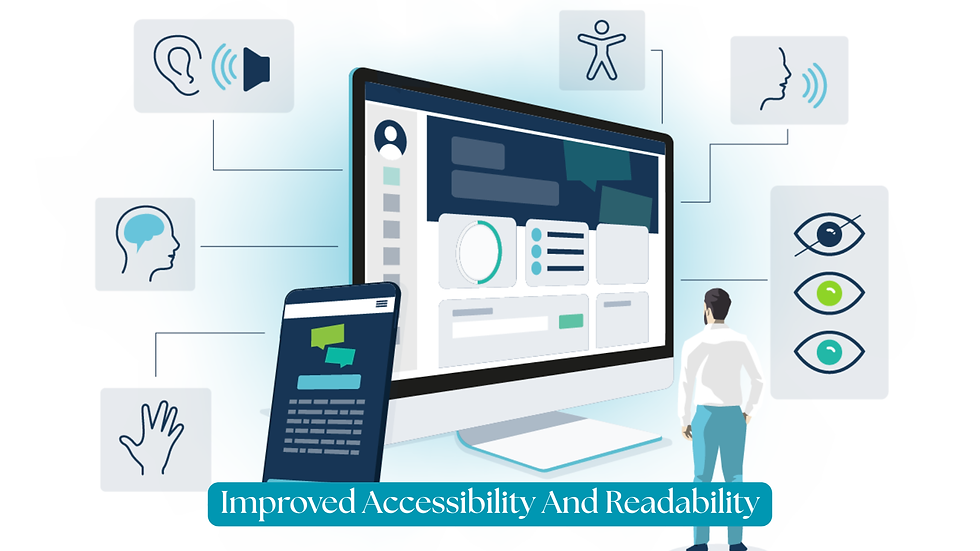
Great branding is not only attractive—it must also be usable. Fonts should be readable across screens, devices, print sizes, and audiences. Hard-to-read typography can hurt engagement, reduce trust, and frustrate customers.
Many AI-based font tools suggest alternatives that preserve style while improving clarity. If a decorative font is too difficult for body text, the tool may recommend cleaner options with a similar personality.
This helps brands build systems where headlines can be expressive while paragraphs remain easy to read. Good typography hierarchy improves website experience, packaging clarity, and ad performance.
Accessibility matters too. Clear letter spacing, balanced weight, and readable forms can support broader audiences, including users with visual challenges.
When customers can easily read menus, product descriptions, emails, and landing pages, conversions often improve. Design becomes more functional and profitable.
Readable branding communicates professionalism. It shows that the company values customer experience, not just aesthetics.
Cost-Effective Support For Businesses Of All Sizes
Not every business can hire a dedicated branding agency or typography specialist. Small companies, startups, and solo creators often need practical tools that improve results without large budgets.
AI-powered font discovery offers cost-effective support. Users can identify fonts independently, explore alternatives, and make stronger design decisions with less trial and error.
This reduces the need for expensive redesigns caused by poor initial choices. It also helps internal teams create more polished materials without relying on outside help for every update.
Larger companies benefit too by accelerating workflows and supporting global teams with standardized font references.
Whether launching a new brand or refining an existing one, affordable intelligent tools can create professional advantages that were once limited to bigger budgets.
You can also watch: Introducing SaasTrac AI Agent Directory | Your Ultimate AI Tool Finder
Conclusion
The benefits of using modern font-recognition technology for branding include faster discovery, stronger consistency, smarter research, better readability, and lower design costs. Typography shapes first impressions and long-term recognition, making font choices highly important. When brands want efficient, strategic decisions with less guesswork, a font detector can become a valuable tool for building a memorable and professional identity.
FAQs
1. Can AI font tools identify fonts from images?
Yes, many tools can analyze logos, screenshots, or photos and suggest exact or similar font matches.
2. Are these tools useful for small businesses?
Absolutely. They help smaller brands make stronger typography decisions without hiring expensive specialists.
3. Do AI font finders replace designers?
No. They assist with discovery and efficiency, while designers still provide strategy, creativity, and brand judgment.

Comments