Is Workpuls Review Worth Reading For Employee Productivity Tracking?
- saastrackpro
- May 15
- 4 min read

Employee productivity tracking has become an important part of modern business management as organizations increasingly rely on data to improve performance and workflow efficiency. Companies want better visibility into how time is used, where resources are allocated, and how teams can operate more effectively without creating unnecessary complexity. As workplace structures continue evolving through remote and hybrid models, many managers search for software that combines monitoring, reporting, and collaboration insights within one system. People researching a workpuls review often want to understand whether the platform provides meaningful value for improving operational performance. Effective productivity platforms are expected to offer actionable insights rather than simply collecting activity data. Understanding how these tools fit into real workplace environments helps businesses make informed decisions about adopting employee monitoring and productivity solutions.
Why Employee Productivity Tracking Has Become Important
Organizations today manage increasingly complex workflows that involve distributed teams, multiple communication channels, and rapidly changing priorities. Tracking productivity allows companies to identify workflow bottlenecks and understand how time is spent during daily operations. This process is not only about measuring activity but also about improving efficiency and resource planning. Modern businesses use productivity insights to evaluate processes, improve scheduling, and create balanced workloads for employees. Companies also want systems that support transparency while helping managers make practical decisions. Productivity tracking tools are becoming valuable because they provide measurable information that can support strategic planning and operational improvements across departments.
Features Businesses Often Look for in Tracking Platforms
When evaluating productivity software, businesses usually focus on features that provide both visibility and usability. Common capabilities include time tracking, attendance reports, project activity summaries, productivity analysis dashboards, and workforce insights. User-friendly interfaces are equally important because employees and managers need systems that are easy to understand and navigate.
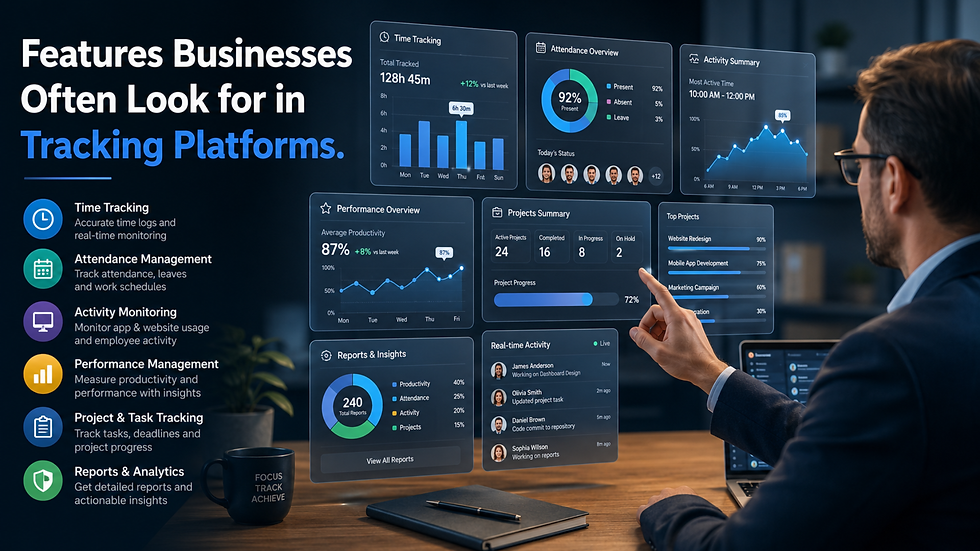
Reporting functions also help organizations identify trends over time and determine whether workflows are operating efficiently. Integration with communication and project management tools can further improve usability. Businesses generally prefer solutions that reduce administrative effort while providing meaningful data that supports long-term decision making and operational planning.
Evaluating Platform Performance and User Experience
Software performance plays a major role in determining whether a productivity tool delivers measurable value. Many professionals reading a workpuls review are interested in learning about user experience, reporting quality, and practical implementation results. Reliable platforms should provide accurate insights without creating unnecessary disruptions for employees. Ease of setup and reporting clarity can influence how quickly organizations adopt new systems. Managers also value platforms that transform collected data into understandable metrics and recommendations. Strong usability, flexible reporting features, and scalable functionality can help businesses improve productivity while maintaining efficient workplace management practices.
Long-Term Value for Modern Businesses
Businesses increasingly view productivity systems as tools for continuous improvement rather than temporary solutions. As organizations scale operations, they often require deeper visibility into team activity and workflow patterns. Long-term value comes from the ability to support strategic decision making, improve resource allocation, and maintain operational consistency. Companies adopting productivity technologies frequently seek platforms that can adapt to changing workplace needs while maintaining efficiency and transparency. Digital workplaces continue evolving rapidly, making productivity insights more important for maintaining competitiveness and supporting informed management decisions.

Another factor businesses consider is employee acceptance and organizational culture. Productivity systems tend to deliver better outcomes when employees understand how information is collected and how it will be used. Clear communication helps reduce uncertainty and builds trust between management teams and staff members. Training sessions and transparent policies can encourage healthier adoption of workplace tools while ensuring employees understand the purpose behind monitoring practices. Organizations that focus on collaboration rather than excessive control often create stronger engagement and better long term outcomes.
You can also watch :Workpuls Review 2021 || Is Workpuls Good For Monitoring Productivity?
Conclusion
Modern organizations require better visibility into workflows, employee activity patterns, and operational efficiency to remain competitive in changing business environments. Productivity platforms can provide useful information that supports decision making and process improvements when implemented effectively. For professionals considering productivity monitoring solutions, a workpuls review may provide valuable perspectives on usability, reporting capabilities, and overall workplace impact. Businesses ultimately benefit most from solutions that balance meaningful insights, ease of use, and practical functionality while supporting sustainable productivity growth.

FAQs
Is Workpuls useful for remote and hybrid teams?
Yes, Workpuls can help remote and hybrid teams by providing visibility into work patterns, time usage, and productivity trends. Businesses often use these insights to improve coordination, identify workflow gaps, and support more efficient collaboration across distributed teams.
Can employee productivity tracking improve team performance without affecting trust?
Yes, productivity tracking works best when companies communicate clearly about why data is being collected and how it will be used. Transparent policies and practical goals can help organizations improve performance while maintaining employee confidence and workplace balance.
What should businesses look for before choosing productivity monitoring software?
Businesses should focus on reporting accuracy, usability, integrations, scalability, and data clarity. The most valuable platforms provide actionable insights that help managers improve workflows rather than simply collecting employee activity information.


Comments